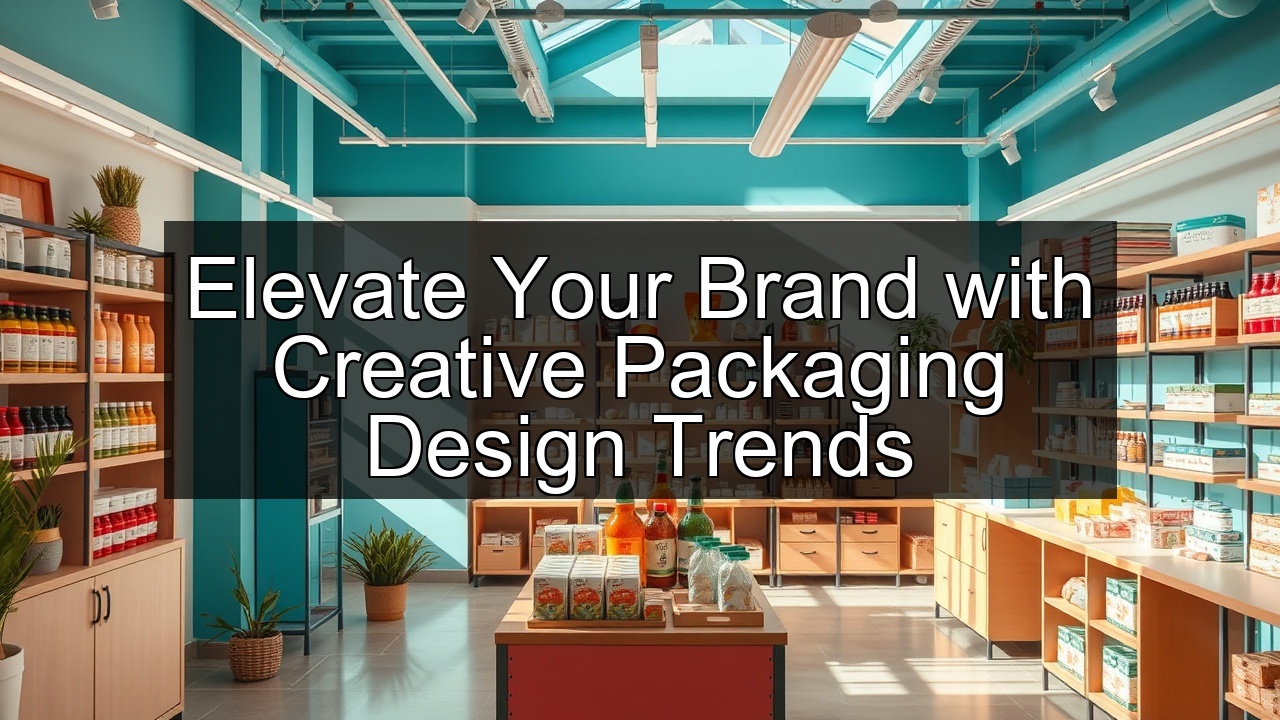
Elevate Your Brand with Creative Packaging Design Trends
The Importance of Creative Packaging in Brand Identity
How Packaging Reflects Brand Values
Creative packaging serves as a visual representation of a brand's identity and core values. It communicates what the company stands for and how it differentiates itself in the competitive market. For instance, a beverage company that emphasizes sustainability might opt for eco-friendly materials, such as biodegradable laminates or recycled plastics, in their product packaging. This not only attracts environmentally conscious consumers but also reinforces the brand's commitment to sustainability. The use of vibrant colors, unique shapes, and innovative designs further enhances the emotional connection between the brand and its audience. When companies invest in thoughtful packaging design, they create an impactful first impression, which can influence purchasing decisions and foster brand loyalty. Packaging becomes a canvas for storytelling, allowing brands to convey their mission and values effectively.
The Role of Packaging in Consumer Perception
Consumer perception plays a critical role in the success of any product. Packaging acts as the first point of interaction between the consumer and the product, shaping their overall experience. High-quality, aesthetically pleasing product labels can elevate consumer expectations, while dull or uninspired packaging may lead to negative assumptions about the product itself. For example, in the beauty industry, luxurious packaging can signal premium quality, encouraging consumers to believe that they are investing in a superior product. Conversely, poorly designed packaging might suggest a lack of attention to detail, which can deter potential buyers. Additionally, effective labeling and packaging solutions enhance usability, making it easier for consumers to understand the product's features, usage instructions, and benefits. This clarity not only boosts consumer confidence but also fosters a positive brand image.
Innovative Design Trends in Beverage and Food Packaging
The beverage and food sectors thrive on innovative packaging design trends that cater to changing consumer preferences. One prominent trend is the shift toward flexible packaging solutions, which offer convenience and versatility. Brands utilize pouches, stand-up bags, and resealable trays to enhance product usability and shelf appeal. This trend not only reduces material waste but also allows for printing high-quality graphics that attract consumers' attention. Moreover, the incorporation of augmented reality (AR) in packaging design is becoming increasingly popular. This technology enables consumers to engage with the product through interactive labels, creating a unique experience that enhances brand loyalty. Another noteworthy trend is the emphasis on transparency in packaging, where brands showcase ingredient sourcing and nutritional information prominently. This openness fosters trust and aligns with consumer demand for authenticity in food and beverage products.
Exploring Packaging Design Innovations
Flexible Packaging Solutions for Modern Brands
Flexible packaging solutions have revolutionized how brands approach product packaging. These solutions offer a lightweight, durable, and space-efficient alternative to traditional rigid packaging. Brands in various sectors, including food, beverage, and personal care products, benefit from this versatility. Flexible pouches, for example, can easily adapt to different product shapes and sizes, maximizing shelf space and reducing shipping costs. Companies leverage innovative materials that provide barrier protection against moisture, oxygen, and light, ensuring product freshness and longevity. Additionally, flexible packaging often employs digital printing technology, allowing for vibrant, eye-catching designs that can be easily updated or customized for seasonal promotions. Modern brands recognize that flexible packaging not only enhances product visibility but also aligns with consumer preferences for convenience and sustainability, marking a significant shift in packaging strategy.
Sustainable Packaging Trends in Personal Care Products
The personal care industry increasingly embraces sustainable packaging trends as consumers seek eco-friendly alternatives. Brands are moving away from conventional plastic containers in favor of biodegradable materials, glass, and refillable packaging options. This shift reflects a growing awareness of environmental impact and resonates with consumers who prioritize sustainability in their purchasing decisions. Companies are investing in innovative packaging designs that minimize waste while maximizing functionality. For instance, many beauty brands now offer refills for their products, allowing customers to reduce their reliance on single-use containers. Additionally, minimalist packaging design, which emphasizes simplicity and functionality, has gained traction. These designs not only reduce material use but also appeal to consumers looking for clean, uncluttered aesthetics. By integrating sustainable practices into their packaging and labeling solutions, personal care brands strengthen their market position while contributing to a greener future.
The Impact of Digital Print on Product Labels
Digital printing technology has transformed the landscape of product labeling, offering brands enhanced flexibility and creativity. This innovation enables companies to produce high-quality labels quickly and cost-effectively, accommodating short runs and last-minute design changes without sacrificing quality. Brands can now experiment with various materials and finishes, including matte, gloss, and textured surfaces, to create eye-catching labels that stand out on store shelves. Furthermore, digital print allows for personalization, enabling brands to tailor labels for specific markets or demographics. This capability supports more targeted marketing strategies, enhancing brand engagement with consumers. As companies increasingly prioritize agility in their packaging and labeling solutions, digital print technology plays a crucial role in meeting consumer demands for unique and customized products. The impact of this innovation extends beyond aesthetics; it streamlines production processes and reduces waste, aligning with broader sustainability goals in manufacturing.
Integrating Packaging and Labeling for Success
Streamlining Logistics with Efficient Packaging Solutions
Efficient packaging solutions streamline logistics, reducing costs and improving overall operational efficiency. Companies must prioritize packaging design that not only protects the product but also facilitates handling, warehousing, and transportation. Optimizing package dimensions and weight can significantly lower shipping expenses and minimize environmental impact. Brands that adopt standardized packaging sizes can simplify their logistics processes, making it easier to stack, store, and transport products. Moreover, effective labeling enhances inventory management by providing clear, concise information about the product, including handling instructions and expiration dates. This clarity reduces errors in warehousing and distribution, ensuring that products reach the consumer in optimal condition. Companies that invest in efficient packaging and labeling solutions can achieve a competitive edge by improving their supply chain operations while maintaining product integrity.
Utilizing Graphics to Enhance Brand Recognition
Graphics play a pivotal role in packaging design, serving as a powerful tool for brand recognition. Distinctive logos, color schemes, and imagery create a visual identity that consumers can easily associate with a specific brand. Innovative packaging design leverages graphics to tell a story, evoke emotions, and convey essential product information. For example, vibrant illustrations on food packaging can entice consumers by highlighting the product's freshness and flavor. Similarly, beauty brands often utilize sleek, sophisticated graphics that reflect their premium positioning. Effective use of graphics not only captivates potential buyers but also fosters brand loyalty by creating a memorable impression. As brands navigate the crowded marketplace, visually striking packaging and labeling solutions become essential for standing out and effectively communicating brand values and product benefits.
Case Studies: Successful Labeling Systems in Healthcare and Consumer Goods
Examining successful labeling systems in healthcare and consumer goods reveals the importance of strategic packaging solutions. In the healthcare sector, compliance with regulations and safety standards is paramount. Companies that implement clear, informative labels not only ensure adherence to legal requirements but also enhance patient safety. For instance, pharmaceutical products often feature color-coded labels that indicate dosage instructions and potential side effects, facilitating safe usage. In the consumer goods sector, brands like Coca-Cola have successfully utilized labeling strategies to create collectible packaging, driving engagement and brand loyalty. Special edition labels and personalized names on bottles encourage consumers to connect with the brand on a deeper level. These case studies highlight how effective packaging and labeling solutions can significantly impact consumer behavior, contributing to brand success and market share growth.
See Also
- The Impact of Consumer Behavior on Packaging Design Strategies
- Consumer Insights on Packaging Design and Labeling Preferences
- The Role of Graphics in Enhancing Product Packaging Appeal
- Exploring the Role of Pressure in Product Packaging Integrity
- Innovative Labeling Solutions Transforming Beverage Packaging