Boosting Your Production with Customizable Contract Assembly Options
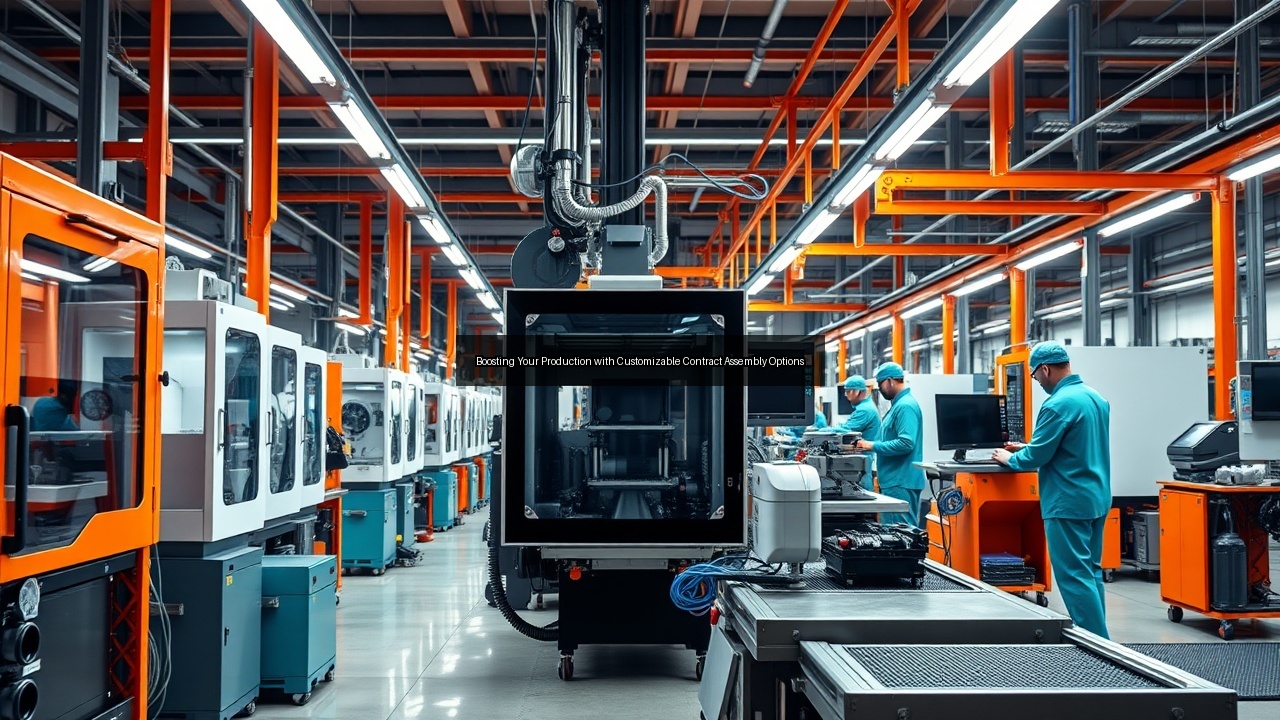
Understanding Contract Assembly Services
The Role of Contract Manufacturers in Production
Contract assembly services play a crucial role in modern manufacturing by streamlining production processes. A contract manufacturer specializes in producing components and assembling products for other companies. By outsourcing these tasks, businesses can focus their resources on core activities like design, marketing, and sales. The expertise of contract manufacturers allows them to handle complex assembly tasks efficiently, ensuring high-quality outcomes. These manufacturers often have extensive experience across various industries, enabling them to adapt to specific project needs. Their ability to manage logistics and production schedules effectively further enhances operational efficiency, positioning them as invaluable partners in a competitive marketplace.
How Customization Enhances Assembly Efficiency
Customization in contract assembly services significantly boosts assembly efficiency. Manufacturers offer tailored solutions to meet unique production requirements, allowing companies to choose specific designs, materials, and processes. This customization can range from simple adjustments to comprehensive modifications that align with a company's branding and quality standards. By selecting the right features and configurations, businesses can minimize waste and optimize the use of resources. Furthermore, customized assembly solutions enable faster turnaround times, as manufacturers can streamline their operations based on the precise needs of each client. This adaptability leads to increased productivity and improved product quality, making customization a pivotal aspect of successful contract assembly.
Key Benefits of Outsourcing Contract Assembly
Outsourcing contract assembly services offers numerous advantages for businesses. First and foremost, it reduces operational costs. By partnering with experts in contract manufacturing, companies can avoid the overhead associated with in-house production, such as labor, equipment maintenance, and facility costs. Additionally, outsourcing provides access to advanced technologies and specialized skills that may not be available internally. This means higher quality and more innovative solutions, especially in areas like engineering and prototyping. Furthermore, contract assembly providers are often equipped to handle fluctuations in demand, allowing companies to scale production quickly without the burden of excess inventory. The combination of cost savings, quality improvements, and flexibility makes outsourcing a strategic choice for many businesses.
Choosing the Right Contract Assembly Partner
Evaluating Manufacturer Expertise and Experience
Selecting the right contract assembly partner involves careful evaluation of their expertise and experience. Start by investigating their track record in the industry. A company with extensive experience in contract manufacturing will likely have refined processes that enhance efficiency and quality. Look for a portfolio of previous projects that demonstrates their capability to handle various assembly tasks, from simple components to complex systems. Additionally, consider customer testimonials and case studies to gauge their reputation. Engaging with potential partners during the onboarding process can also provide insights into their operational approach and whether they align with your company’s values and standards.
The Importance of ISO 9001 Certification
ISO 9001 certification serves as a benchmark for quality management systems in manufacturing. When selecting a contract assembly company, prioritize those with ISO 9001 certification. This certification indicates that a manufacturer adheres to internationally recognized quality management principles, ensuring consistent quality services from contract assembly manufacturer in their products and services. A certified provider demonstrates a commitment to continual improvement, customer satisfaction, and effective process management. This commitment translates into fewer defects, enhanced reliability, and improved efficiency in the assembly process. Partnering with an ISO-certified contract manufacturer not only bolsters your product quality but also reflects positively on your company's reputation in the marketplace.
Cost Considerations: In-House vs. Outsourcing
Cost considerations play a critical role in the decision to outsource contract assembly services or maintain in-house production. Analyzing the total cost of ownership is essential for making an informed choice. In-house assembly may seem advantageous at first glance, but hidden costs often arise, including equipment depreciation, labor management, and facility maintenance. Conversely, outsourcing allows companies to tap into the economies of scale that contract manufacturers offer, reducing unit costs across larger production runs. When assessing cost, examine not only direct expenses but also the potential for increased efficiency and quality improvements that outsourcing can deliver. This holistic view will guide businesses in making cost-effective decisions that support their long-term goals.
Optimizing Your Production Process
Lean Manufacturing Principles in Contract Assembly
Integrating lean manufacturing principles into contract assembly can significantly enhance production efficiency. Lean manufacturing focuses on minimizing waste while maximizing value. By applying these principles, contract manufacturers streamline processes, reduce lead times, and improve overall productivity. This approach involves continuous evaluation of operations to identify inefficiencies and opportunities for improvement. For instance, manufacturers may implement just-in-time (JIT) inventory practices, which minimize excess stock and reduce storage costs. Additionally, lean techniques can lead to better resource allocation and workforce management, ultimately resulting in higher quality outputs. Companies partnering with lean-focused contract assembly providers can expect a more agile and responsive production process.
Quality Control Measures to Ensure High Standards
Maintaining high-quality standards is paramount in contract assembly services. Effective quality control measures should be part of every manufacturing process, ensuring that products meet both regulatory standards and customer expectations. Utilizing statistical process control (SPC) techniques, manufacturers can monitor production processes in real-time, identifying variations that may lead to defects. Furthermore, regular audits and inspections throughout the assembly process help maintain compliance with quality standards. Implementing feedback loops allows for continuous improvement based on production data and customer feedback. By prioritizing quality control, companies can safeguard their reputation and build customer trust, leading to increased loyalty and repeat business.
Scalability and Flexibility in Production Design
Scalability and flexibility are essential components of modern production design, especially in contract assembly. Businesses often experience fluctuations in demand, making it crucial to partner with a contract manufacturer capable of adapting to these changes. Flexible production lines allow for quick adjustments in assembly processes, accommodating varying order sizes and specifications. This adaptability ensures that manufacturers can scale operations up or down without compromising quality or efficiency. Additionally, innovative designs and engineering solutions can enhance product functionality while simplifying assembly processes. Companies that leverage the scalability and flexibility offered by contract assembly providers can respond swiftly to market demands, maintaining a competitive edge.
The Future of Contract Assembly in Manufacturing
Innovations in Engineering and Prototyping
The future of contract assembly services hinges on innovations in engineering and prototyping. Advanced technologies, such as 3D printing and computer-aided design (CAD), are transforming the way products are developed and assembled. These innovations accelerate the prototyping phase, allowing manufacturers to create and test designs rapidly. By enabling quick iterations, companies can refine their products based on real-world feedback, significantly reducing time-to-market. Furthermore, integrating smart technologies and automation within the assembly process enhances precision and efficiency. As these innovations continue to evolve, they will redefine the landscape of contract assembly, paving the way for more sophisticated and tailored manufacturing solutions.
The Role of Logistics in Effective Contract Assembly
Logistics plays a pivotal role in the success of contract assembly services. Efficient logistics management ensures that materials and components arrive on time and in good condition, facilitating smooth production operations. A well-coordinated logistics strategy minimizes delays and reduces costs associated with transportation and storage. Contract manufacturers often utilize advanced logistics technologies, such as inventory management systems and supply chain analytics, to optimize their operations. This strategic approach not only streamlines the assembly process but also enhances communication between suppliers and manufacturers. Companies that prioritize effective logistics in their contract assembly partnerships can expect improved operational efficiency and better overall performance.
Tailoring Packaging Solutions for Different Markets
Tailoring packaging solutions for different markets is an essential aspect of contract assembly services. Packaging not only protects products during transit but also serves as a crucial marketing tool. Contract manufacturers can customize packaging to meet specific market demands, enhancing brand visibility and customer appeal. This customization can include the use of sustainable materials, unique designs, or specific branding elements. By aligning packaging solutions with market trends, companies can differentiate themselves in competitive environments. Furthermore, efficient packaging designs can simplify logistics and reduce shipping costs, contributing to overall operational efficiency. Embracing innovative packaging strategies will be vital for businesses aiming to capture market share and enhance their product offerings in the future.
See Also
- Innovative Designs Meet Precision with Contract Assembly Expertise
- Quality Assurance in Contract Assembly The Backbone of Successful Manufacturing
- The Benefits of Partnering with a Specialized Contract Assembly Company
- Transformative Benefits of Integrating Contract Assembly into Your Operations
- How Outsourcing Contract Assembly Can Cut Costs and Enhance Quality for Your Business